How old is the Cajon? Where does it come from? And...how is it Pronounced?
How old is the cajon drum?
The cajon drum is approximately 200 to 450 years old, depending on whether you define its "age" by its earliest crude origins or its recognition as a distinct musical instrument.
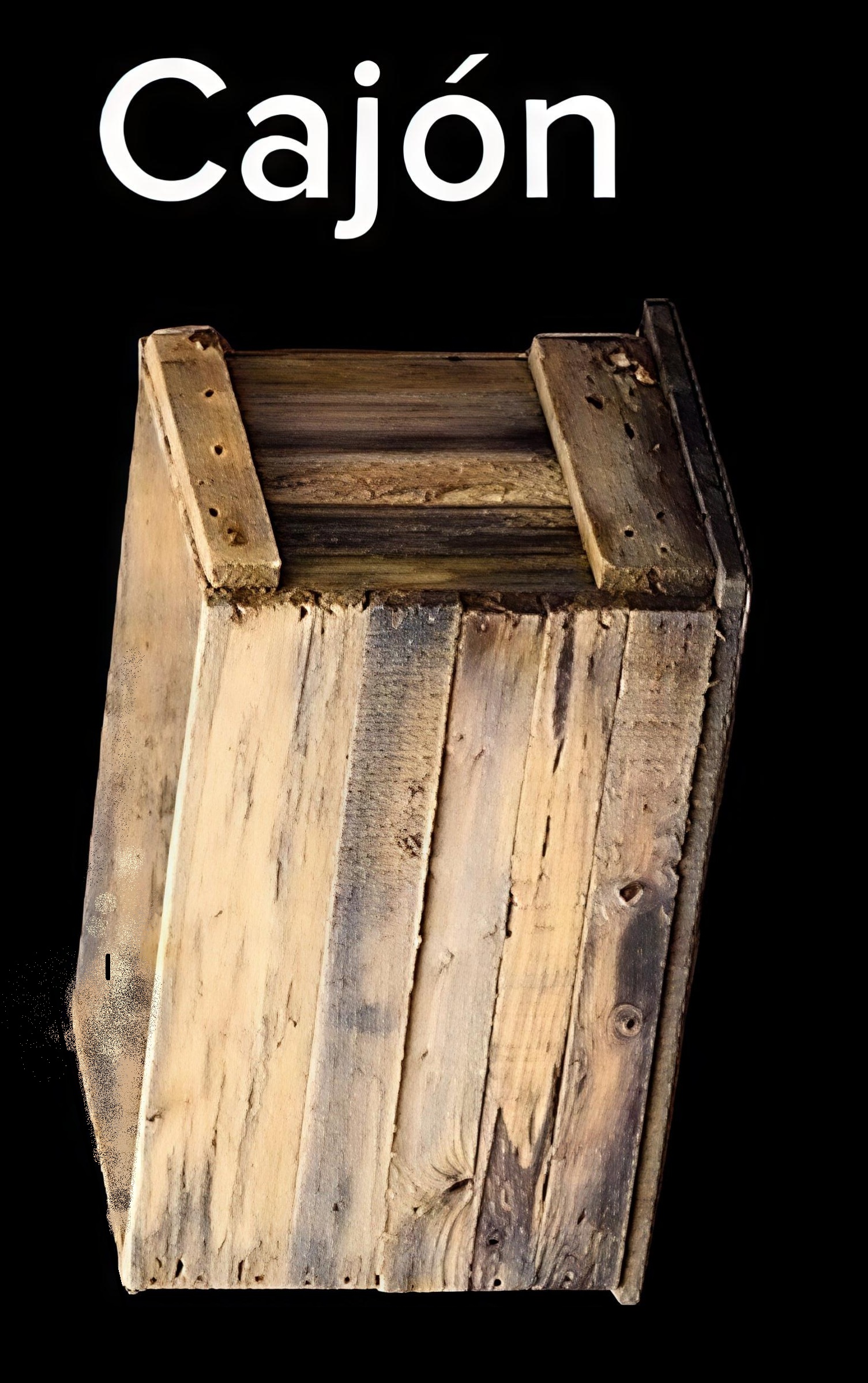
Key Historical Milestones
Earliest Origins (Late 16th – 18th Century):
The instrument was created by enslaved West and Central Africans in colonial Peru.
The story goes that when they were brought to Lima – to serve in the homes of the Spanish and work in the cotton fields located south of the city – all cultural expressions of their country were forbidden, such as producing music with their traditional leather drums.
After Spanish colonial masters banned traditional African leather drums—fearing they were used for secret communication or "heathen" rituals—enslaved people repurposed wooden shipping crates, fruit boxes, and even dresser drawers as percussion.
These early "box drums" were easily disguised as seats or stools to evade detection.
Formal Documentation (Mid-19th Century):
The cajon began to be recognized as a formal instrument in the 1800s.
The first known artistic depiction was a drawing by Peruvian artist Ignacio Merino in 1841.
By the 1850s, its use was widespread in Afro-Peruvian music.
Modern Flamenco Era (1977 – Present):
The "modern" version of the cajon (often featuring internal strings or snares) is only about 48 years old.
In 1977, Spanish flamenco guitarist Paco de Lucía and percussionist Rubem Dantas discovered the Peruvian cajon while on tour.
They brought it back to Spain and adapted it with internal guitar strings to create the "Flamenco Cajon," which has since become a global standard.
Cultural Recognition
2001: Declared a "National Cultural Heritage" by the Peruvian National Institute of Culture.
2014: Recognized by the Organization of American States as an "Instrument of Peru for the Americas".
This instrument, today considered to be National Cultural Heritage, was developed in the mid-sixteenth century as a means for slaves to preserve their roots.
It was only in the 19th century that Porfirio Vásquez, a music enthusiast of Afro-Peruvian descent, decided to give the box the finish and size it has today: a wooden box (moheña or requia wood is used) which is 18.5 inches high and has a round hole in the middle of one of its sides. To achieve the catchy melodies, this box can be played with the palms or fingertips, and metal pieces can even be inserted in the cavity.
The history of the cajon
It originates from Peru where it is used in folk music for styles such as Festejo. Legend has it that African slaves in Peru.
Cajon at Symmetrical Drumming Australia
At SDA I use two Cajons.
The Meinl ‘Slope-Faced’ Cajon and the Pearl Pearl Primero PBEC210 Electric Crate Cajon - Willie Sparks.
I generally play with a custom Yamaha Cajon Pedal and foot cabassa from Meinl.
Custom Built Cajon Percussion kit at Symmetrical Drumming Australia
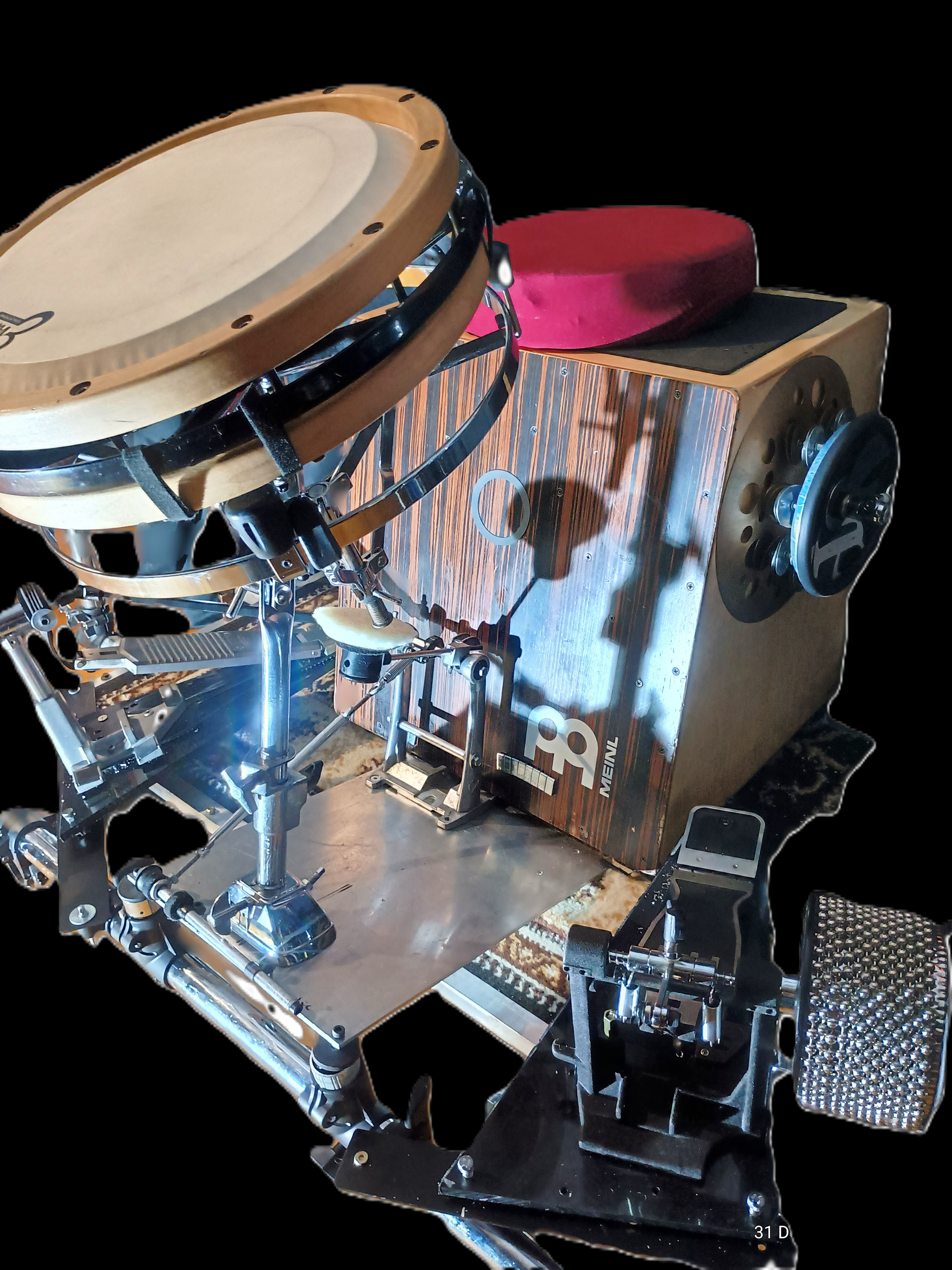
Cajon with Piezo Pickup at Symmetrical Drumming Australia
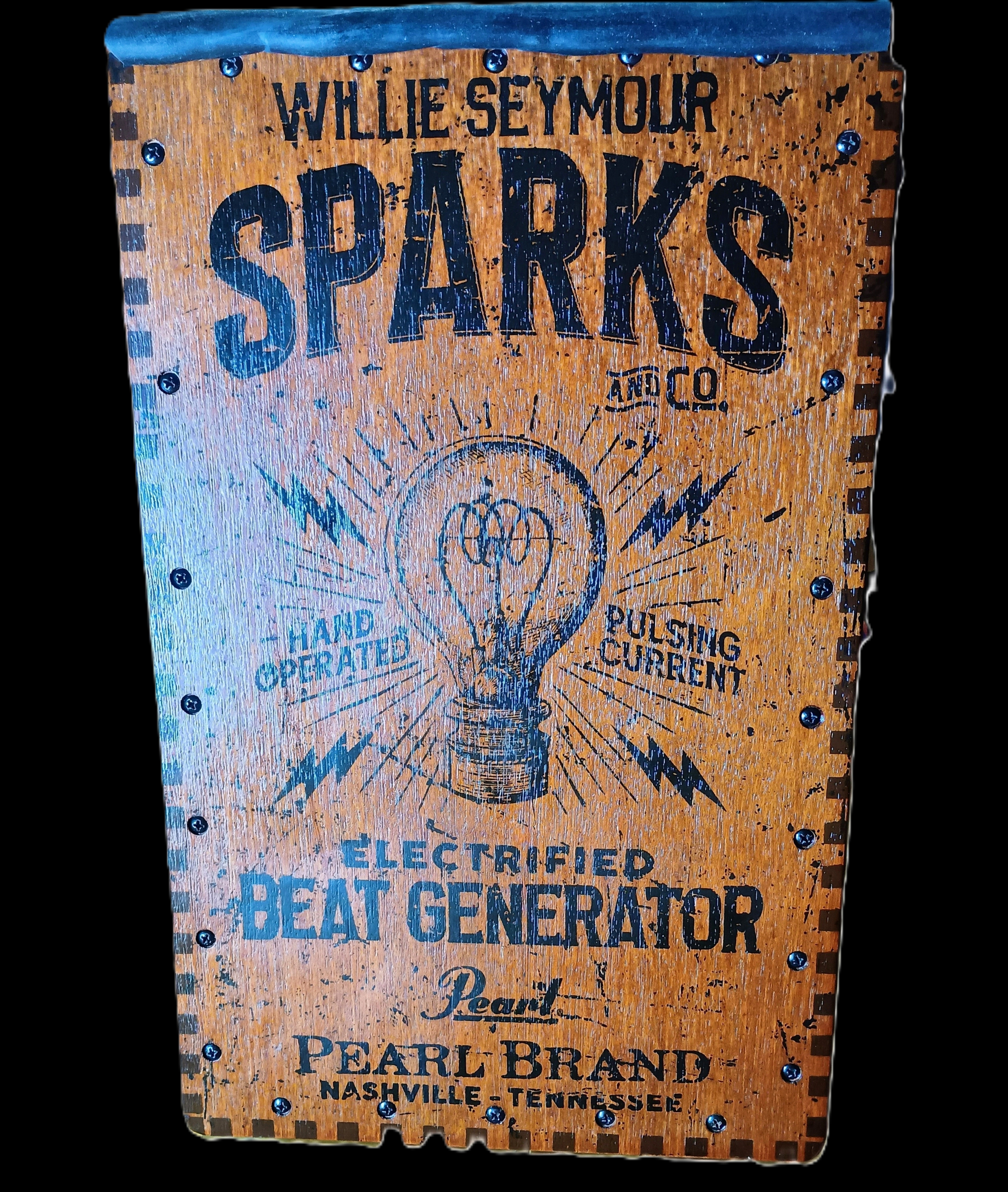
Its pronounced KaHON!
The cajon (the Spanish word for box) has been part of Afro-Peruvian music since the 19th century and beyond.
https://SymmetricalDrummingAustralia.Org