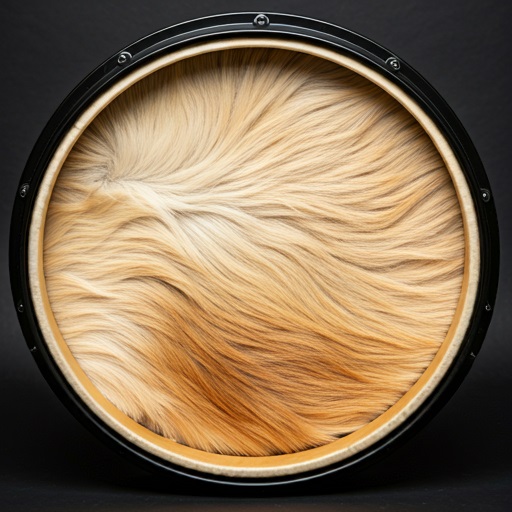
The name bodhrán may be derived from the Irish word bodhar meaning 'deaf' and 'dull-sounding'.
Pronunciation is fraught …the word rhymes with ‘bow – ron’. (That’s interpreted to sound like ‘bow’…ie: the front of a ship, and ‘ron’: like the diminutive of Ronald.)
Its one of the few percussion instruments that uses pitch, duration, timbre, texture, and wide dynamic range, as well as rapid beat, and rhythm patterns in the one package.
The leading hand plays the rhythm with the double ended tipper or stick…the double ended technique allows the player to reproduce ‘two handed rhythms’ (that snare drummers, or conga players use)…one one hand.
The non-dominant hand adjusts the timbre, bends the notes up and down to adjust pitch (using pressure on the skin) and it also adjust the duration of each beat…(like the hihat foot control on a drum kit {but with your hand}.
Occassionally the non-dominant hand gets in on the 'rhythm-stuff' too.
Therefore:
The Bodhran is very versatile instrument. Its a quiet instrument too…so if youre into drumming and dont want to ‘get on the nerves’ of your neighbours or your family or flat mates…get into Bodhran at Drum Lessons Canberra, Symmetrical Drumming Australia…Mark Campbell has been playing, tuning, designing and building custom Bodhans for 30 years.
Learn what materials you need and also how to construct and then play your own Bodhran with Mark Campbell at:
https://symmetricaldrummingaustralia.org
And for added precision and pulse…add a foot cabassa to your instrumentation and Cajon with pedal to bring ful four limb playing to your Bodhran.
Awesome stuff!
Mark