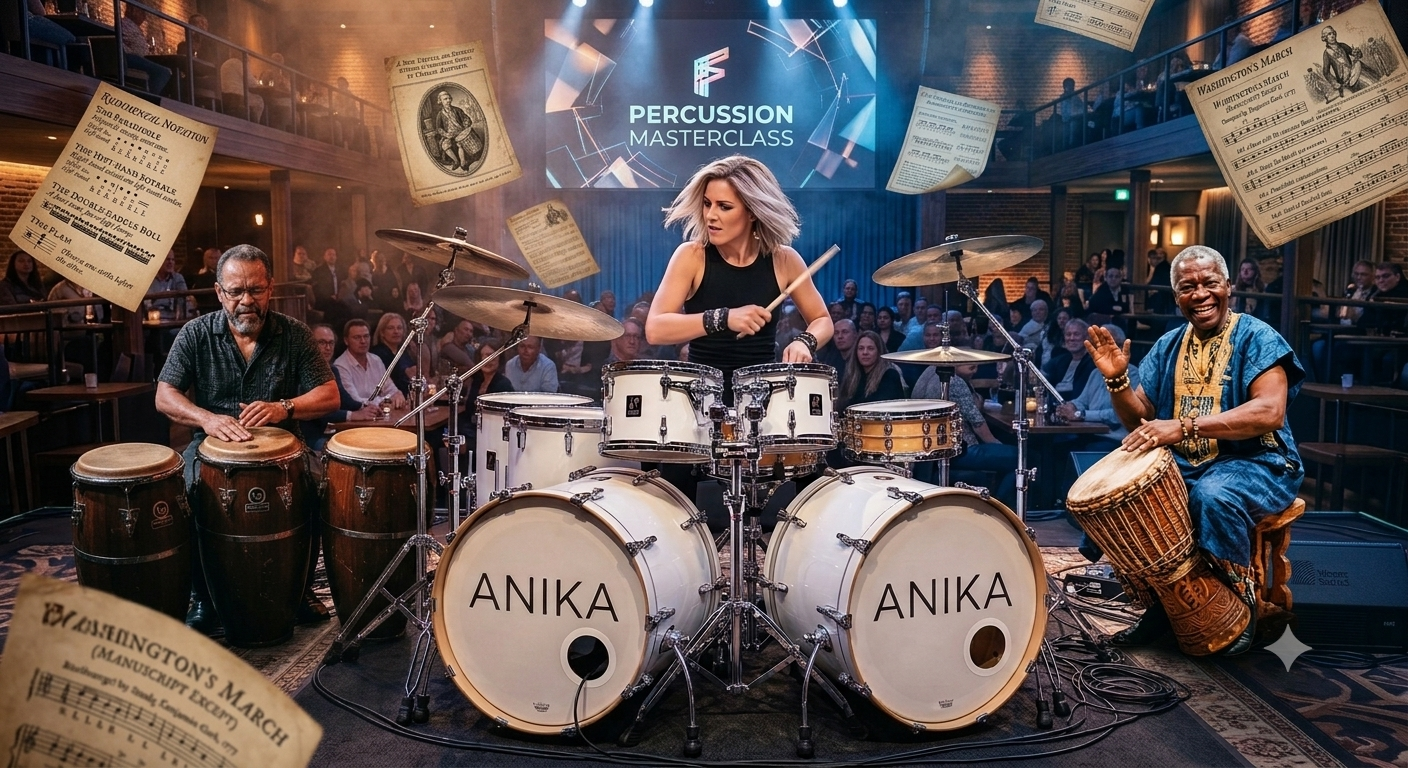
The Evolution of the Paradiddle: From 17th-Century Military Beats to Modern Kit & Hand Percussion Innovation
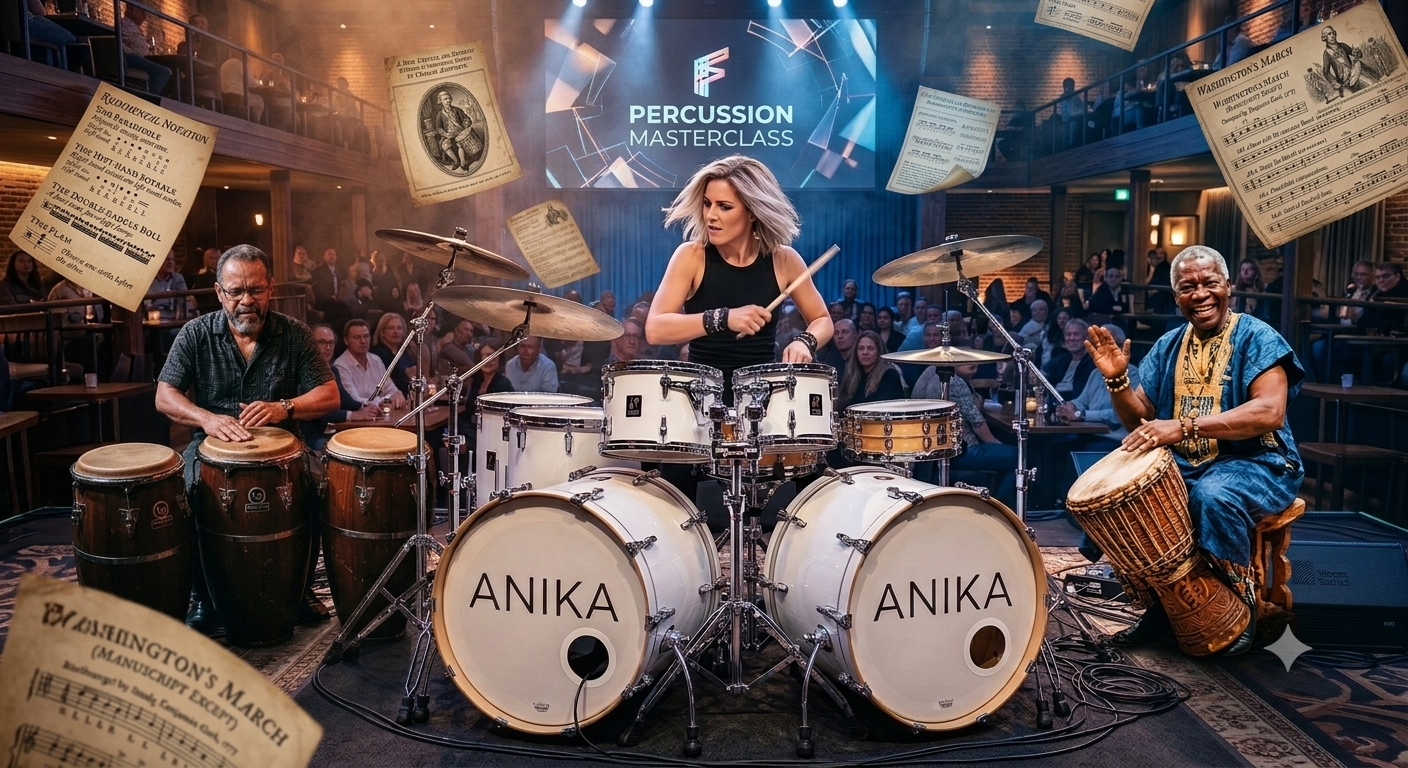
The paradiddle is one of the foundational building blocks of percussion. Whether you are marching in a corps, orchestrating linear grooves across a massive drum kit, or driving polyrhythms on global hand drums, this iconic rudiment is essential. But where did it come from, how has it mutated over the centuries, and how do modern masters apply it across multiple limbs?
Let’s take a deep dive into the history, permutations, extensions, and diverse applications of the paradiddle.
1. Historical Origins: From Early Precursors to Print
While the portmanteau paradiddle is an American coinage from the 19th century, its roots run much deeper into European military drumming history.
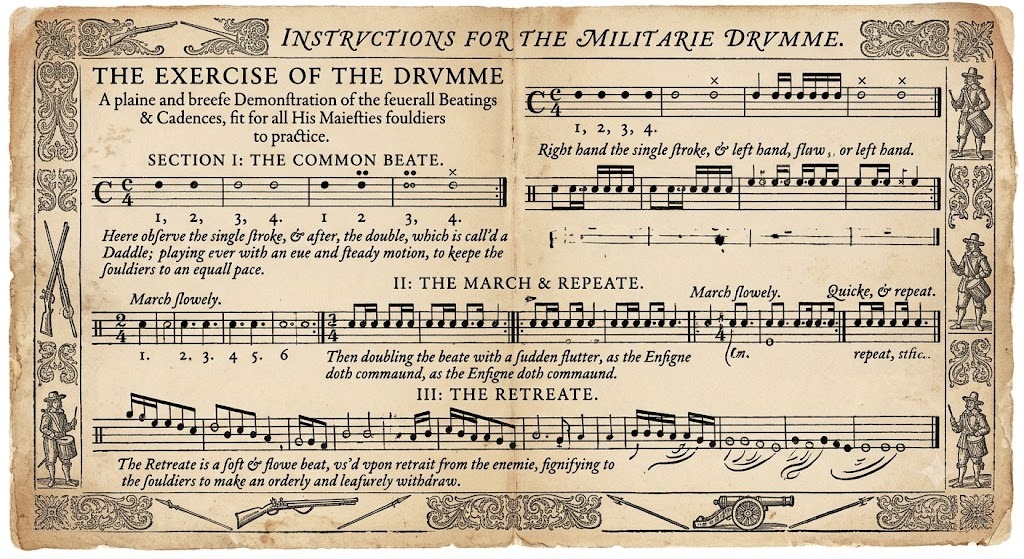
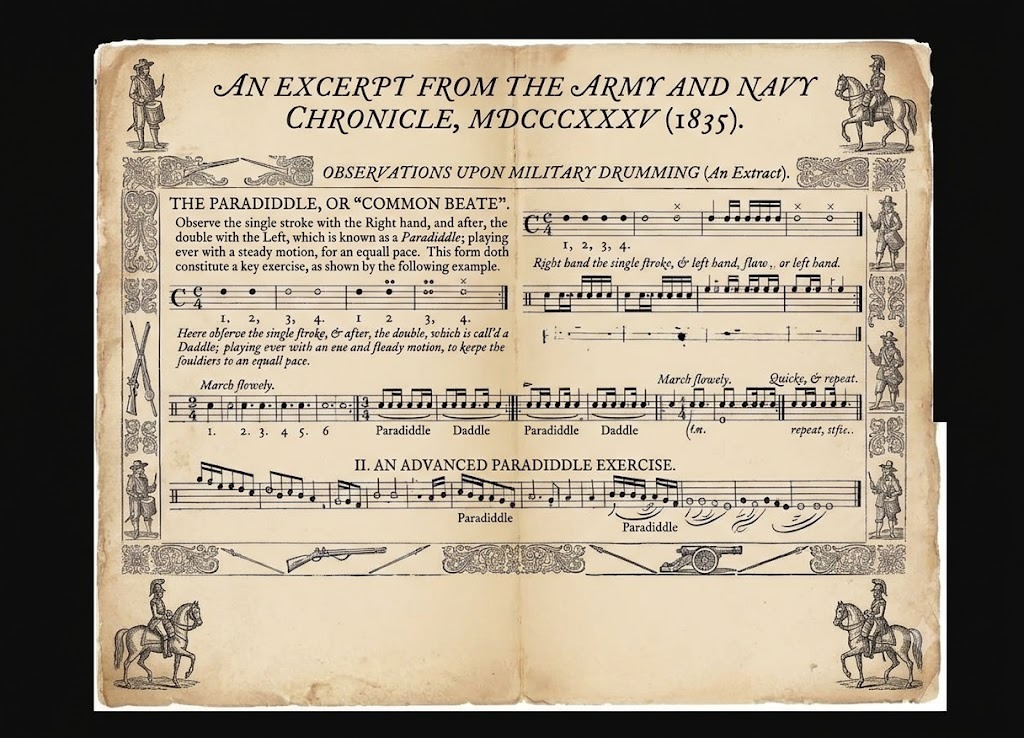
- The 17th-Century Precursor (1688): In late-17th-century English military manuals—such as Randle Holme’s manuscript The Academy of Armory and Blazon (featuring The Exercise of the Drumme)—early precursors appear. Drummers practiced alternating single strokes followed by a double stroke, referred to at the time as a "diddle" or part of the "Common Beate". These steady, even motions kept marching soldiers in uniform time.
Codification in the United States (1835):
- The formal term paradiddle first appeared in print around 1835 in American military publications like the Army & Navy Chronicle. The name is thoroughly onomatopoeic: "para" represents alternating single strokes, and "diddle" represents the double-stroke ending.
2. The Four Permutations of the Single Paradiddle
By shifting the position of the double stroke (the diddle) within the four-note grouping, drummers unlock four distinct variations:
- Standard Single Paradiddle (Base Pattern): R L R R L R L L
- First Permutation (Reverse / Inward Paradiddle): R R L R L L R L
- Second Permutation: R L L R L R R L
- Third Permutation (Outward Paradiddle): RLRLLRLR (a cyclical variation shifting the double across the boundary)
3. Extending the Family: Paradiddlediddles and Flam Paradiddles
Drill down further into rudimental vocabulary, and you will find extensions that add extra single strokes or ornaments:
The Paradiddlediddle:
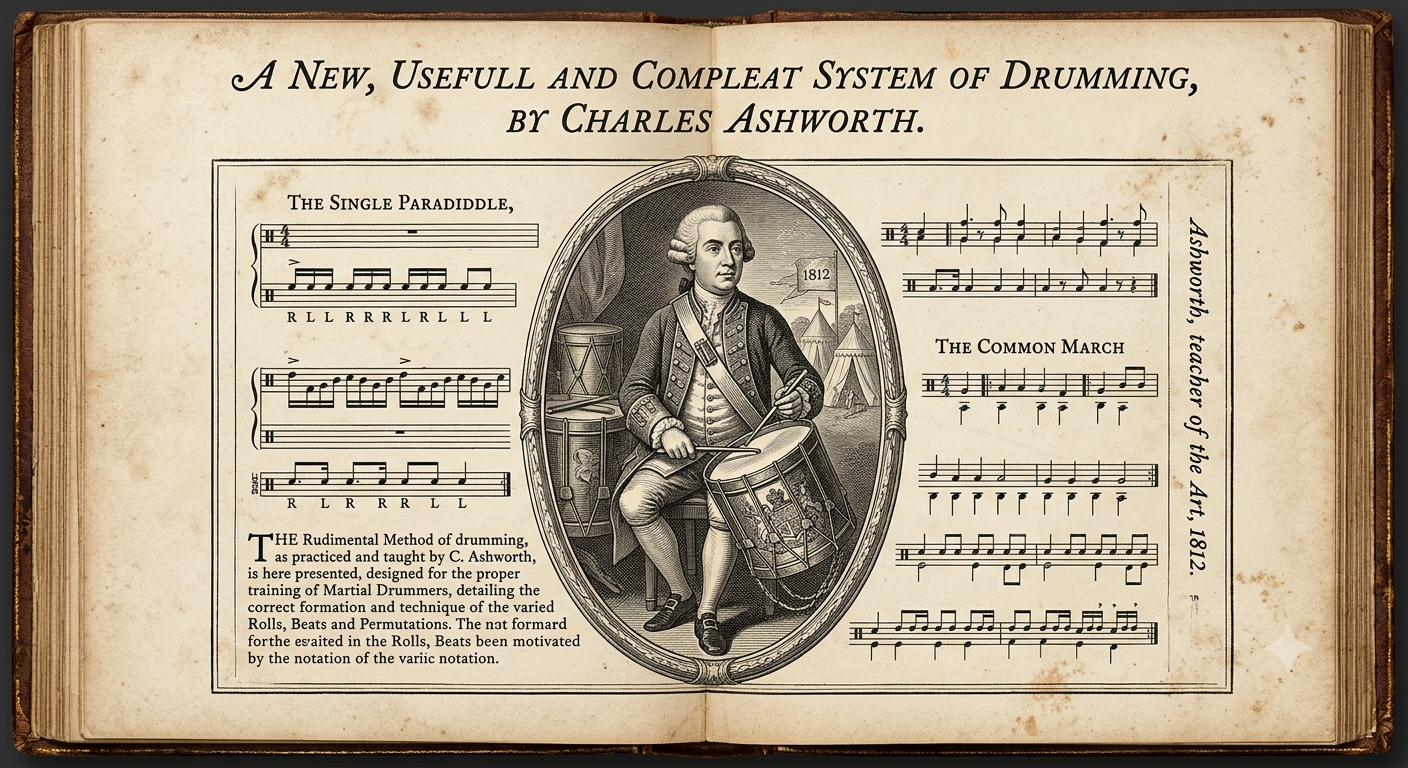
- A six-note rudiment sticking as $\text{R L R L R R} \mid \text{L R L R L L}$. It inserts a second alternating single stroke before the double finish, giving it a rolling, compound-meter feel.
Historical Origin:
- The paradiddlediddle (originally referred to heavily as a variant or closely tied to early compound stickings) first appeared formally in print in early 19th-century American and British military drum literature. Specifically, it was officially depicted and named by Charles Ashworth in his 1812 drum manual, and shortly after by other military instructors like A. D. Rumrille in 1817. It evolved organically as military drummers sought ways to bridge standard 4-note paradiddle logic into compound meters and rolling 6/8 military marches (such as the Duke of York's Favorite Troop).
The Flam Paradiddle:
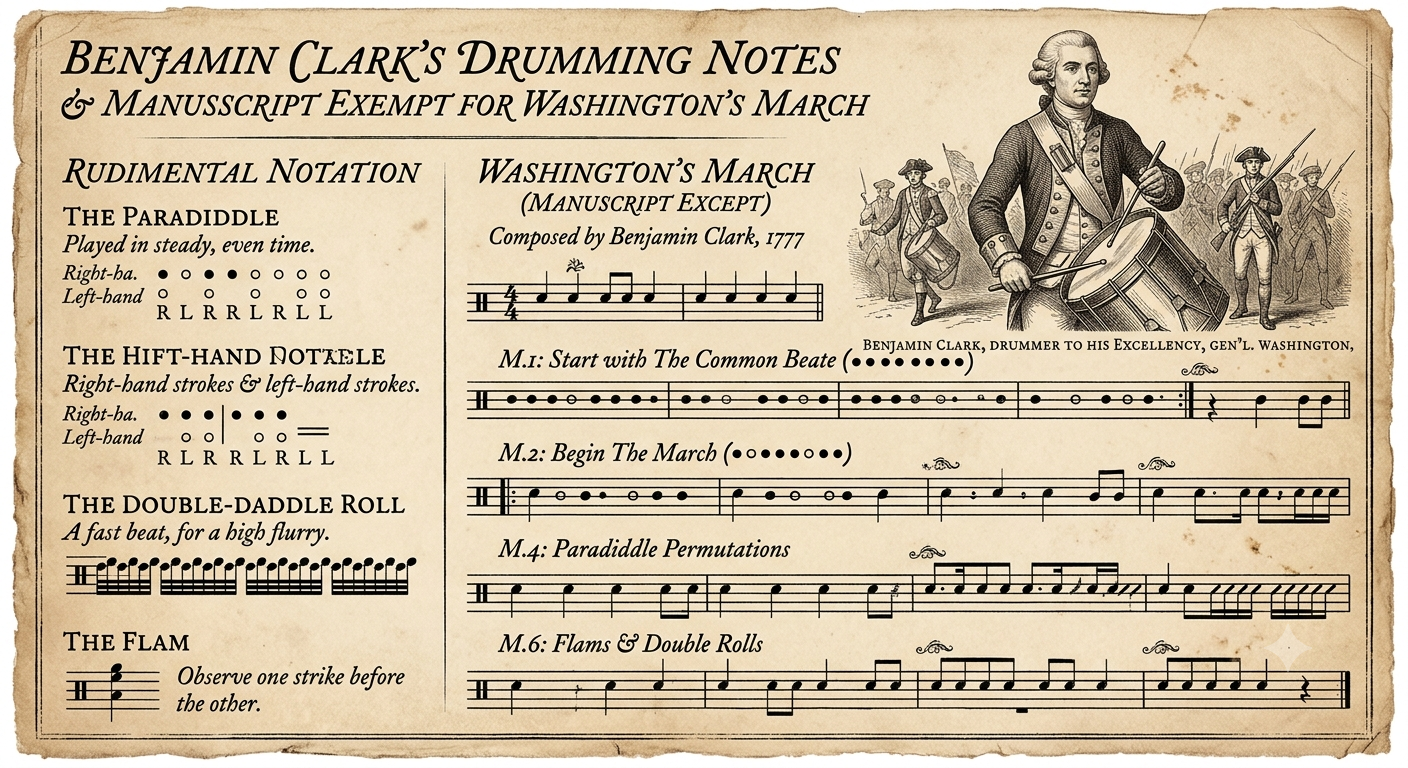
- A hybrid sticking (L)R L R R (R)L R L L (where parentheses denote the flam grace note). This adds an accented grace note to the very beginning of the pattern for crisp articulation.
Historical Origin:
- Like the base paradiddle, the flam paradiddle is a uniquely British and early American development. In late 18th-century American manuscript music (such as Benjamin Clark’s drumming notes for Washington's March and regional manuscripts by Gardner and Isaac Day), the rudiment was universally called the "Flamadiddle". By the early 19th century, prominent instructors such as Charles Ashworth (1812) and Samuel Potter (1815) formally codified and published it under the updated name "Flam Paradiddle", a term that carried directly into mid-19th-century standard military manuals like those by Bruce & Emmett (1862).
4. Modern Foot Paradiddles: Thomas Lang & Anika Nilles
Contemporary drumming has taken the paradiddle far beyond the snare drum, deploying it across multi-limb setups for absolute independence.
Thomas Lang:
- Known for extreme technical mastery and ambidexterity, Lang distributes paradiddle stickings across dual bass drum pedals and auxiliary pedals, creating cascading, rolling foot patterns that sound like multiple players.
Anika Nilles:
- Renowned for her sophisticated groove-oriented approach to odd meters, Nilles weaves foot paradiddles and permutations between her hands and feet, anchoring accents with bass-snare combinations to drive complex fusion and progressive rock.
5. Steve Gadd’s Revolutionary Permutations
Legendary studio drummer Steve Gadd completely transformed how drummers view paradiddles (famously showcased on Paul Simon's "Late in the Evening"). Instead of sticking rigidly to traditional downbeat military accents, Gadd introduced:
Internal Accent Shifting:
- Moving accents off the primary beat to create syncopated, ghost-note-rich funk patterns.
Linear Orchestration:
- Splitting the single strokes between the snare and hi-hat while placing the diddle on the bass drum or rack toms, turning a rudiment into an organic, conversational groove language.
6. Paradiddles on World Percussion: Djembe and Conga
Though born in military marching traditions, the underlying logic of alternating singles combined with a double stroke transfers seamlessly to acoustic hand drums:
On the Djembe:
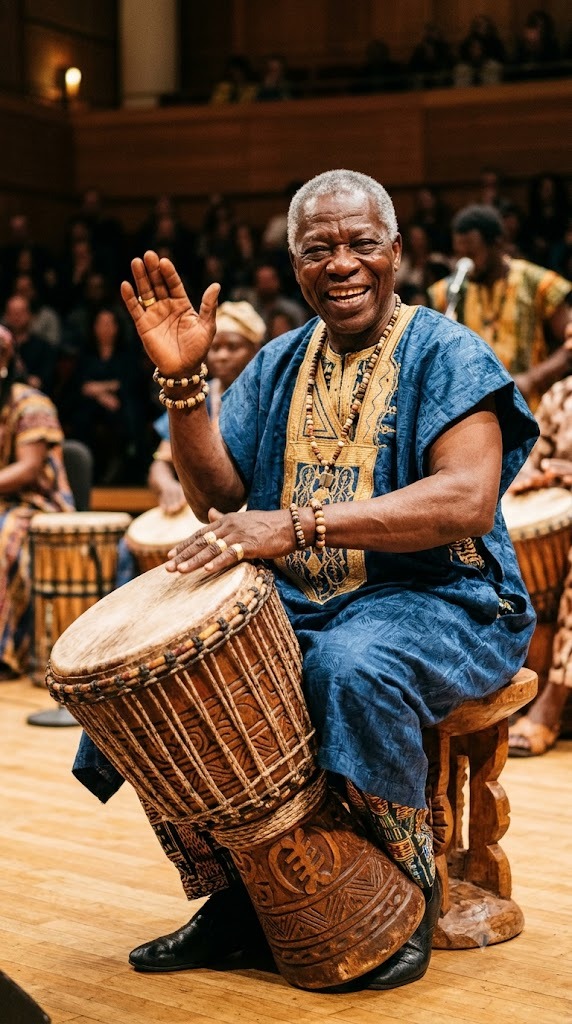
- Drummers orchestrate paradiddle patterns across distinct tonal zones—alternating deep bass notes, open tones, and sharp slaps (Bass, Tone, Slap)—to build hand speed, endurance, and clean articulation.
On the Conga:
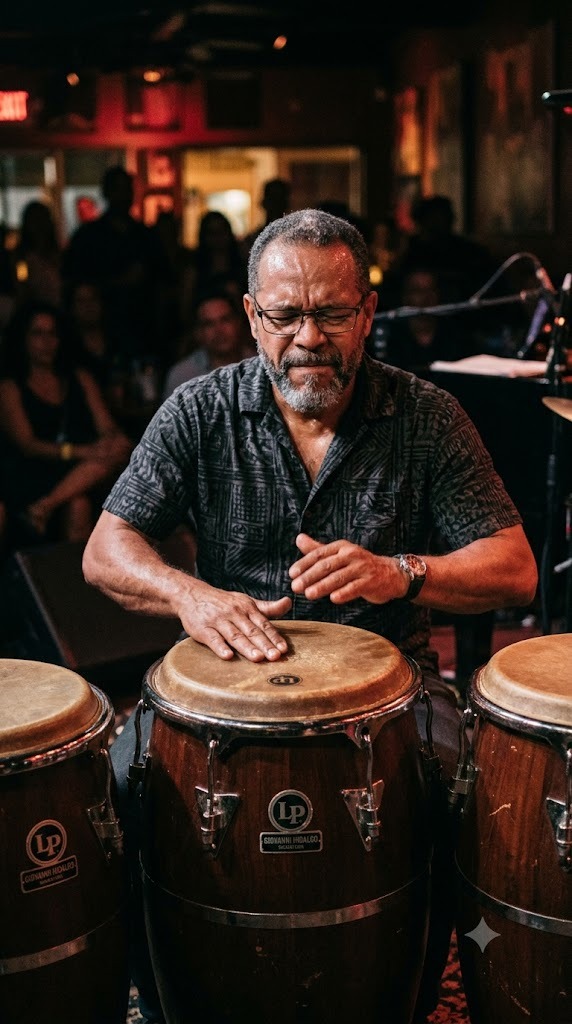
- Advanced players use rudimental concepts across open tones, muted strokes, and heel-toe motions to weave dense, interlocking polyrhythms.
Perspectives from Master Percussionists:
- Mamady Keïta: The legendary Guinean djembe master emphasized strict hand-to-hand coordination and balance. Applying rudimental mechanics to traditional West African phrasing ensures equal strength and fluency across both hands.
- Giovanni Hidalgo: Renowned for his breathtaking speed and finger-drumming independence, Hidalgo treats his hands like a full drum kit, adopting rudimental permutations to execute fluid, multi-tonic soloing across his congas.